
Introduction
Modern homes are becoming more comfortable, accessible, and technologically advanced. One improvement that is attracting attention among homeowners is the residential elevator. Once considered a luxury reserved for large properties, home elevators are now practical solutions for people who want easier movement between floors, improved accessibility, and greater convenience in everyday life.
Chselevators.com is the official website of CHS Elevators, Inc., a company based in Charleston, South Carolina, that specializes in residential elevator installation and accessibility solutions. Its website provides information about home elevators, installation services, elevator customization, and other equipment designed to improve mobility within residential properties. The company serves communities in South Carolina and surrounding areas.
Whether you are planning a new home, renovating an existing property, or researching accessibility improvements, understanding the available elevator options can help you make a more informed decision.
This guide explores what chselevators.com offers, the benefits of residential elevators, the installation process, important safety considerations, and the factors homeowners should evaluate before choosing an elevator system.
What Is Chselevators.com?
Chselevators.com is the online platform for CHS Elevators, Inc. The company focuses on residential elevators and related accessibility equipment, helping homeowners and construction professionals explore solutions for multi-story properties.
The website introduces visitors to the company’s services, provides information about residential elevator models, and offers ways to request consultations and project estimates.
Rather than selecting an elevator based only on its appearance, homeowners can use the information available on the website as a starting point for understanding their options.
The company’s services and product categories include:
- Residential elevator installation.
- Home elevator customization.
- Platform lifts for accessibility.
- Stairlifts for movement between floors.
- Dumbwaiters for transporting household items.
- Maintenance and related elevator services.
The availability of a particular product or service may depend on the project requirements and service location. Customers should confirm current options directly with the company before making a purchase decision.
Why Are Residential Elevators Becoming Popular?
Residential elevators offer practical advantages that extend beyond luxury. They can make multi-story homes easier to navigate, support changing mobility needs, and provide a convenient way to move between floors.
1. Improved Accessibility
Stairs can become difficult to navigate for older adults, people recovering from injuries, and individuals with limited mobility. A residential elevator can provide an alternative route between floors when the home is designed and equipped appropriately.
For families planning to remain in their homes for many years, accessibility is an important consideration.
Installing an elevator during construction may also make it easier to accommodate future mobility requirements without undertaking a major renovation later.
However, the appropriate solution depends on the user’s needs. Some households may benefit more from a stairlift or platform lift than from a full residential elevator.
2. Greater Everyday Convenience
Carrying laundry, groceries, luggage, or other household items between floors can be inconvenient.
A residential elevator can simplify these tasks, particularly in homes with multiple levels. It can also make frequently used spaces easier to access for family members and visitors.
For homeowners who regularly move items between floors, this convenience can become a meaningful part of daily life.
3. A Modern Home Design
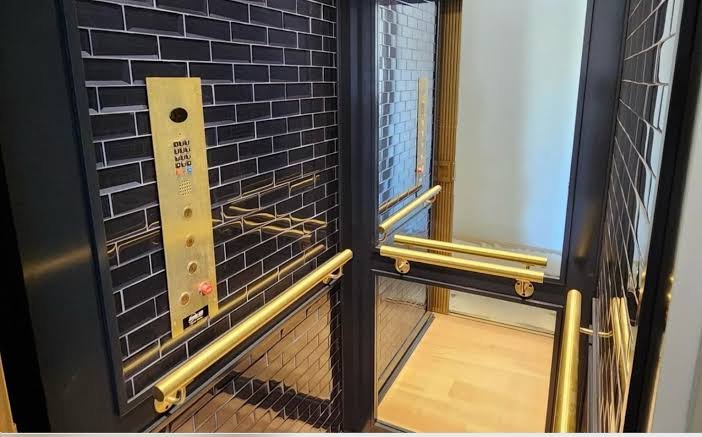
Residential elevators are available in different configurations, finishes, and styles. Depending on the selected model, an elevator can complement a contemporary interior or fit into a more traditional home.
Options may include different cab finishes, gate styles, control arrangements, and other decorative features.
The best design balances appearance with functionality. Homeowners should consider available space, ease of use, maintenance requirements, and the needs of everyone expected to use the elevator.
4. Potential Property Appeal
Accessibility features can make a property attractive to some prospective buyers, particularly those seeking a multi-story home that accommodates changing mobility needs.
Nevertheless, installing an elevator does not guarantee a specific increase in resale value. The financial benefit depends on the property’s location, design, construction quality, local buyer demand, and installation costs.
Homeowners should evaluate an elevator primarily according to its practical benefits and long-term suitability rather than assuming it will produce a particular financial return.
Residential Elevator Services Available Through CHS Elevators
One of the main reasons people visit chselevators.com is to learn about residential elevator options and related accessibility equipment.
The company describes several product categories intended to address different household requirements.
Residential Elevator Installation
Installing a home elevator requires coordination between the elevator provider, builder, architect, and other professionals involved in the project.
The process generally begins with an assessment of the property. The team must consider the building layout, available space, number of floors, electrical requirements, and applicable safety regulations.
For new construction, planning the elevator early can help integrate the equipment into the overall building design.
Existing homes may require additional work, such as structural modifications or the creation of a suitable elevator shaft, depending on the selected system.
CHS Elevators provides residential elevator installation services, and homeowners can contact the company to discuss their property and installation requirements.
Platform Lifts
Platform lifts are designed to help people overcome certain changes in elevation. Depending on the configuration, they may provide access between levels or help wheelchair users navigate spaces that would otherwise be difficult to reach.
A platform lift may be appropriate where a conventional elevator is unnecessary or where space limitations make a different accessibility solution preferable.
Before choosing one, property owners should verify the required platform dimensions, weight capacity, travel height, accessibility features, and applicable building requirements.
Stairlifts
A stairlift carries a seated user along a rail installed beside a staircase.
For some homeowners, it can be a less extensive alternative to installing a full elevator. It may also require fewer structural changes, although the suitability and cost depend on the staircase and the user’s mobility requirements.
Important considerations include the staircase width, landing space, seating arrangements, transfer requirements, and emergency operation.
A professional assessment can help determine whether a stairlift offers sufficient accessibility for the intended user.
Dumbwaiters
A dumbwaiter is a small lift designed to transport objects rather than passengers.
It can be useful for moving groceries, laundry, dishes, or supplies between floors in suitable residential settings.
Dumbwaiters are different from passenger elevators and should never be used to transport people.
When planning a dumbwaiter, homeowners should consider the items they expect to carry, the required load capacity, the available installation space, and the location of the loading and unloading points.
Understanding Home Elevator Models
Not every elevator is appropriate for every home. The best option depends on the property’s layout, budget, intended use, and long-term requirements.
CHS Elevators lists several residential elevator models and configurations on its website, including products from Savaria.
Savaria Eclipse
The Savaria Eclipse is a residential elevator option that may suit homeowners looking for a compact installation.
Its suitability depends on the available space, number of floors, required capacity, and building configuration.
Before selecting this or any other model, request the manufacturer’s current technical specifications and confirm the installation requirements with a qualified professional.
Savaria Infinity
The Savaria Infinity is another model featured in CHS Elevators’ residential elevator offerings.
When comparing this model with alternatives, consider its operating system, available configurations, travel height, capacity, and maintenance requirements.
The appropriate configuration should be selected according to the building and the needs of its occupants rather than appearance alone.
Savaria Vuelift
For homeowners interested in a distinctive architectural feature, the Savaria Vuelift offers a different design approach from conventional enclosed residential elevators.
Its suitability depends on the property layout, installation requirements, and desired interior appearance.
Homeowners considering a visually prominent elevator should also evaluate privacy, access, lighting, cleaning, and the practical requirements of daily operation.
Important: Product specifications, available finishes, prices, and model availability can change. Consult the manufacturer’s current documentation and CHS Elevators before choosing a particular model.
How Does the Home Elevator Installation Process Work?
Understanding the installation process helps homeowners plan their budgets, construction schedules, and property modifications.
Although the details vary by elevator model and building, a typical project follows several stages.
Step 1: Initial Consultation
The first step is to discuss your needs with the elevator provider.
Useful questions include:
- How many floors must the elevator serve?
- Who will use it regularly?
- Is wheelchair accessibility required?
- What is the available installation space?
- Is the property under construction or already occupied?
- What budget has been allocated for the project?
Providing this information helps the installer identify potentially suitable options.
Step 2: Property Assessment
The next stage involves evaluating the building.
The assessment may include measurements, structural considerations, electrical requirements, landing arrangements, and the location of the proposed elevator.
For an existing home, the provider may need to identify whether construction modifications are necessary.
A detailed assessment can help prevent unexpected problems later in the project.
Step 3: Choosing the Elevator
After the assessment, homeowners can compare suitable models.
The comparison should cover more than the initial purchase price. Capacity, dimensions, operating system, accessibility features, appearance, maintenance, and expected operating costs are also important.
Request written information about what the quotation includes. For example, clarify whether building modifications, electrical work, inspections, permits, and finishing work are included or priced separately.
Step 4: Preparing the Installation Site
Before installation begins, the property must be prepared according to the approved design and the elevator manufacturer’s requirements.
This work may involve construction, electrical preparation, access planning, and coordination with other contractors.
The exact requirements vary by system, so homeowners should avoid assuming that every residential elevator needs the same shaft, machine room, or structural arrangement.
Step 5: Installation and Testing
Qualified professionals install the elevator according to the approved plans and applicable requirements.
After installation, the system must undergo the necessary testing, inspections, and commissioning procedures before being placed into service.
Homeowners should receive appropriate operating instructions and information about maintenance, emergency procedures, and service contacts.
Step 6: Ongoing Maintenance
Once the elevator is operational, regular maintenance becomes part of responsible ownership.
The maintenance schedule should follow the manufacturer’s requirements, applicable regulations, and recommendations from the service provider.
Promptly addressing unusual sounds, operational problems, or other warning signs can help prevent minor issues from becoming more serious.
How Much Does a Residential Elevator Cost?
The cost of a residential elevator varies significantly from one property to another.
There is no single price that applies to every installation because the final amount depends on the equipment, construction requirements, and selected features.
Factors That Influence the Price
Elevator model: Different systems have different equipment costs and installation requirements.
Number of floors: Serving additional levels can affect equipment selection, installation complexity, and overall project cost.
Construction work: Existing homes may require modifications that are unnecessary in a properly planned new build.
Customization: Interior finishes, gates, controls, and other options can change the final price.
Electrical requirements: Depending on the selected system and property, electrical preparation or upgrades may be necessary.
Permits and inspections: Applicable local requirements may add costs and affect the project schedule.
Maintenance: Long-term service expenses should be considered alongside the initial installation cost.
How to Request an Accurate Estimate
The most reliable approach is to request a written quotation based on your actual property.
When contacting CHS Elevators, provide the building location, number of floors, general layout, intended users, and any accessibility requirements.
Ask the company to explain the equipment cost, installation charges, possible construction expenses, maintenance arrangements, warranty terms, and any exclusions.
A detailed quotation makes it easier to compare providers fairly and reduces the risk of unexpected expenses.
Elevator Safety: What Homeowners Should Know
Safety is one of the most important considerations when purchasing a residential elevator.
A professionally installed system must be appropriate for the building and used according to its instructions.
Follow Manufacturer Instructions
Every elevator has operating requirements and limitations.
Users should understand the load capacity, door operation, emergency procedures, and restrictions that apply to their particular equipment.
Children should receive appropriate supervision, and users should never interfere with safety mechanisms.
Keep Doors and Access Points Clear
Elevator entrances and surrounding areas should remain unobstructed.
Do not force doors open, bypass interlocks, or attempt to access the elevator shaft.
If a door does not operate correctly, contact the qualified service provider instead of trying to repair the mechanism yourself.
Arrange Professional Maintenance
Routine professional maintenance helps identify wear, operational problems, and components that require attention.
The correct maintenance frequency depends on the equipment, manufacturer guidance, usage, and applicable requirements.
Keep records of service visits, repairs, inspections, and any recurring problems.
Understand Emergency Procedures
Before using a newly installed elevator, learn what to do if it stops unexpectedly or someone becomes trapped.
Users should know how to contact emergency assistance and the elevator service provider.
Never attempt to climb out of a stalled elevator or open access points without appropriate professional assistance.
For a safety-related malfunction, follow the manufacturer’s emergency instructions and seek qualified help.
Where Does CHS Elevators Provide Services?
CHS Elevators identifies Charleston, South Carolina, and surrounding communities among its service areas.
Its website lists locations including Charleston, Mount Pleasant, Hilton Head, Myrtle Beach, Georgetown, Beaufort, and North Charleston. The company’s service-area information also describes coverage in nearby communities.
Because service availability may vary by project and location, customers should confirm whether their property falls within the company’s current coverage area.
When requesting a consultation, provide the full project location and explain whether the property is an existing home or a new construction project.
This helps the company determine whether it can assess the property and provide the requested services.
How to Evaluate an Elevator Installation Company
Choosing an elevator provider is an important decision because the equipment affects accessibility, safety, and the property’s long-term operation.
Before making a commitment, evaluate the following factors.
Experience and Qualifications
Ask about the provider’s experience with the specific type of elevator you are considering.
Confirm the relevant installer qualifications, manufacturer training, licensing where required, and familiarity with local building regulations.
Do not assume that experience with one elevator system automatically establishes expertise with every other system.
Product Information
Request the manufacturer’s documentation for the proposed model.
Review its dimensions, load capacity, power requirements, operating system, maintenance needs, and available safety features.
A suitable provider should be able to explain why the selected equipment fits your property.
Transparent Pricing
Compare written quotations rather than relying only on verbal estimates.
Clarify what is included in the installation price and identify any exclusions, potential additional charges, or future service expenses.
The lowest initial price is not necessarily the most economical option over the equipment’s useful life.
After-Sales Support
Ask who will handle maintenance and repairs after installation.
Find out how service requests are submitted, what the maintenance agreement covers, and whether emergency assistance is available.
Clear answers to these questions can help you understand the level of support you can expect.
Communication and Project Planning
A successful installation depends on coordination between the elevator provider and other professionals involved in the project.
The company should explain the expected process, required preparations, and potential scheduling considerations.
Written documentation helps ensure that everyone understands the scope of work.
Who Can Benefit From Chselevators.com?
The website may be useful to several groups researching residential elevators and accessibility solutions.
Homeowners: People planning a new house or renovating a multi-story property can explore elevator options and request information about installation.
Older adults and their families: Households considering ways to make movement between floors easier can research elevators and alternative accessibility equipment.
People with mobility requirements: Individuals and families can investigate whether a residential elevator, platform lift, or stairlift may suit their needs.
Architects and builders: Construction professionals can explore residential elevator options during the planning and design stages.
Property renovators: Owners of existing homes can begin researching installation requirements and determine whether modifications may be necessary.
Each project has different requirements, so a professional assessment remains important before selecting equipment.
Tips for Planning a Home Elevator Project
Careful preparation can make the decision process easier and help avoid unnecessary expenses.
Start by identifying the main reason for installing the elevator. A household seeking wheelchair accessibility may need different features from a family primarily interested in convenience.
Next, evaluate the available space and discuss possible installation locations with a qualified professional.
Consider the needs of current occupants as well as possible future requirements. Accessibility, door operation, controls, and entry dimensions can all influence the system’s practical usefulness.
Request multiple quotations where appropriate, and compare the equipment specifications, installation scope, warranty, and maintenance arrangements.
Finally, confirm that the project complies with applicable building and safety requirements before work begins.
Taking these steps helps homeowners make decisions based on suitability, safety, and long-term value rather than appearance alone.
Frequently Asked Questions About Chselevators.com
1. What is chselevators.com?
Chselevators.com is the official website of CHS Elevators, Inc., a Charleston, South Carolina-based company specializing in residential elevators and related accessibility solutions. The website provides information about the company’s products and services.
2. What services does CHS Elevators offer?
The company describes residential elevator installation, elevator customization, platform lifts, stairlifts, dumbwaiters, and related services. Customers should contact the company to confirm the availability of specific services for their projects.
3. Where is CHS Elevators located?
CHS Elevators is based in Charleston, South Carolina, and lists several surrounding communities among its service areas. Customers should verify coverage for their particular location before arranging an installation.
4. Can a residential elevator be installed in an existing home?
Yes, some residential elevator systems can be installed in existing homes. However, feasibility depends on the building layout, available space, structural requirements, and the selected equipment. A professional property assessment is necessary.
5. Are home elevators suitable for older adults?
A properly selected residential elevator can make movement between floors easier for older adults. The appropriate system depends on the user’s mobility, the home’s layout, and relevant accessibility and safety requirements.
6. How much does a home elevator cost?
The price depends on the model, installation complexity, number of floors, customization, and construction work. Requesting a detailed quotation based on the property is the best way to determine the likely cost.
7. Do residential elevators require maintenance?
Yes. Residential elevators require maintenance according to the manufacturer’s instructions and applicable requirements. Regular professional servicing helps support safe operation and identify problems that need attention.
8. How can I contact CHS Elevators?
Visitors can use the contact information published on the company’s official website to ask about services, request a consultation, or discuss a potential installation project.
Official website: https://chselevators.com/
Conclusion
Chselevators.com is a useful starting point for homeowners and construction professionals researching residential elevators and accessibility equipment. The website introduces CHS Elevators, Inc., its residential elevator services, and related solutions for improving movement between floors.
A home elevator can offer meaningful advantages, including greater convenience, improved accessibility, and a more adaptable living environment. However, selecting the right system requires careful consideration of the building, intended users, installation requirements, safety features, and long-term maintenance costs.
Before moving forward, review the available equipment, request a detailed quotation, and discuss the project’s requirements with a qualified professional.
By approaching the decision carefully, homeowners can identify an elevator solution that fits their property, budget, and practical needs.
For additional information about residential elevator options and installation services, visit the official website at chselevators.com and contact the company to discuss your project.
